
The Case’s Public and Private Afterlife
Las madres noThe Narrator follows Alice’s case from a sensational crime into a courtroom outcome that still leaves its moral and personal questions open.
increasing Bearing strength in each event
 decreasing
Bearing strength in each eventdecreasingThe News Becomes Inescapable
Public Attention
A Sensational Exception
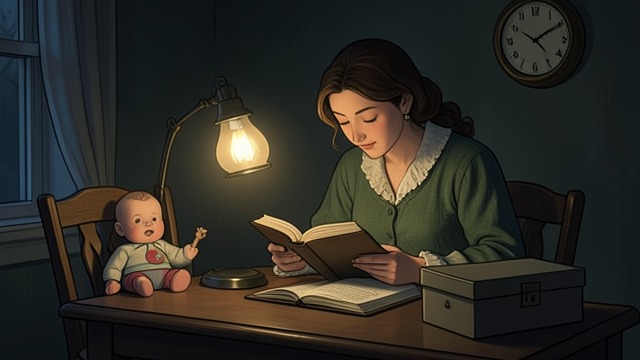
The press gives sustained attention to a mother accused of killing her children.
The Narrator tries to avoid the story because her own pregnancy makes it painfully close.
Personal Unease
The news reaches her even when she changes the subject.
Her deliberate avoidance postpones, but does not prevent, recognition.
A Visit to Armentia

The House as a Witness
A Physical Encounter
The Narrator visits the empty House of Armentia with Niclas and their infant.
Its maintained garden and silent rooms offer no explanation of what happened.
The Limits of Observation
She records impressions but cannot read a crime from a façade.
The visit makes the case tangible while preserving its central mystery.
The Trial Becomes a Routine

Courtroom Attendance
Repeated Procedure
The Narrator drives to court, takes notes, and listens to witnesses and experts.
Procedures provide a structure that helps her maintain distance from the deaths.
Accumulating Doubt
Evidence clarifies how the twins died but not what Alice experienced.
The more testimony she hears, the less confident she becomes that the trial will explain the crime.
A Verdict Without Prison
The Legal Outcome
Guilt and Exemption
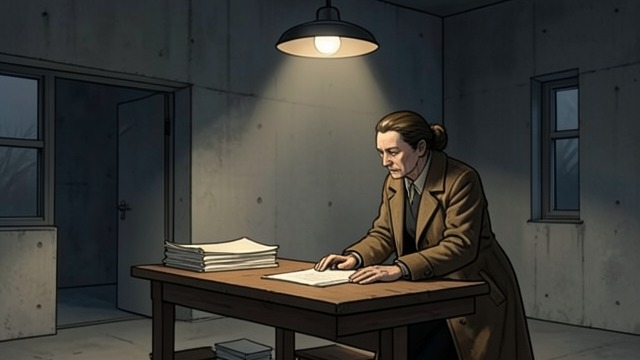
The jury finds Alice guilty but accepts the defense based on mental illness.
The verdict recognizes the crime while declining ordinary criminal punishment.
A Conditional Future
The court later substitutes outpatient psychiatric treatment for imprisonment.
The resolution is legally consequential but does not answer what happened inside Alice’s mind.
After the News

The Case Persists
Family Crisis
The Narrator receives news that Erik is seriously ill while away at court.
Her attention shifts abruptly from Alice’s trial to the vulnerable child waiting in hospital.
No Final Closure
Once Erik’s condition improves, she learns the verdict’s terms from Jakes.
The case remains alive as a writing problem even after the legal process ends.
The days after the summer crime
November, when the Narrator travels to receive her award
Across the three weeks of the trial
The day after the jury’s deliberations
After the verdict reaches the Narrator
